
Bence H.
—
Creative Designer

Product Design Projects
Recents
Bence's Starter Team
All Projects
Patient Conversation Tool
B
100%
Jan 10, 2023
Patient Conversation Tool
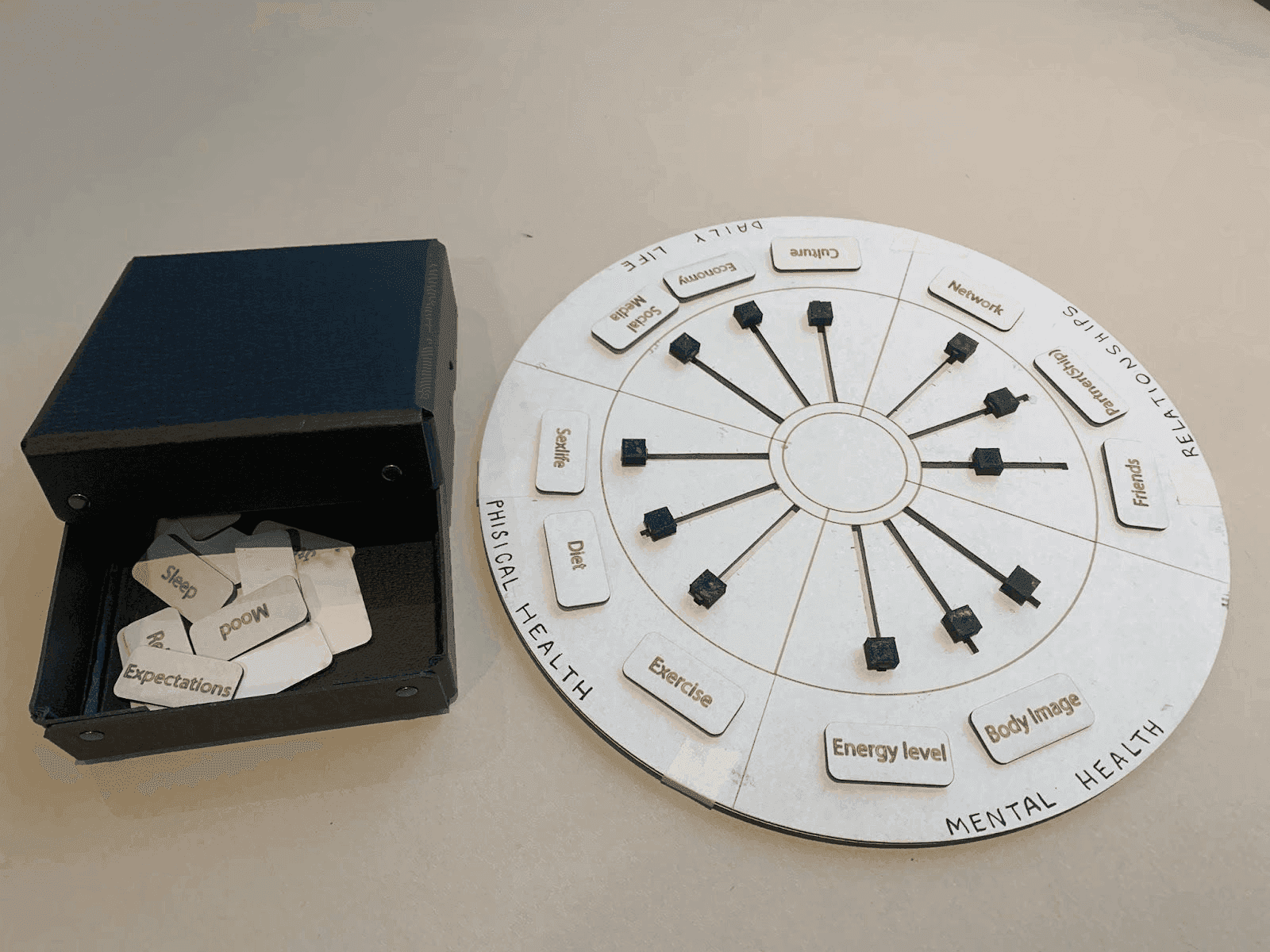
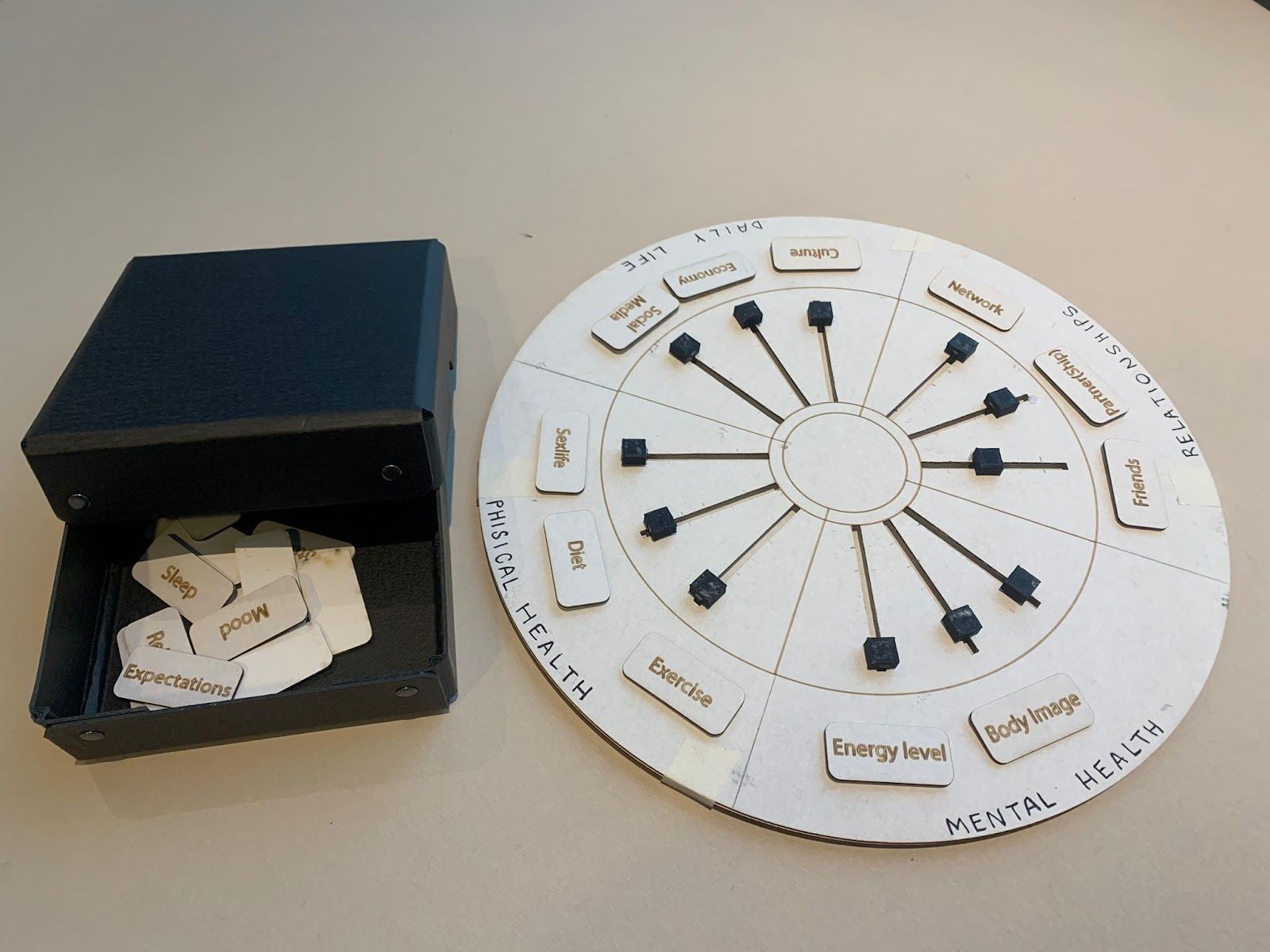
Inspired by research from Henry Larsen, this project aimed to address the communication gaps between healthcare workers and patients. The solution evolved into a physical assessment tool that patients could use to express their concerns and priorities effectively. It was designed iteratively through ethnographic research and usability testing with midwife and nursing students.
Category
Product Design
Reading Time
10 Min
Date
How can a simple, intuitive tool help patients express their concerns and feelings effectively, fostering better communication with healthcare professionals?
Challenges & Constraints
🛑 Patients struggle to articulate their needs or discomfort.
🛑 Healthcare professionals often lack tools to engage patients effectively.
🛑 The prototype had to be portable, intuitive, and hygienic for daily clinical use.
🎯 Goals
✅ Create a tool that empowers patients to express concerns.
✅ Simplify the process for healthcare workers to understand patient needs.
✅ Refine the design for usability, hygiene, and practical deployment.
👩🚀 Role
UX Designer
Conducted user interviews and ethnographic research to identify communication barriers.
Physical Prototyping
🏆 Results
✅ Improved Communication: Patients and healthcare providers reported more focused and empathetic discussions.
✅ Usability: Feedback highlighted its simplicity and accessibility, with a 30% reduction in consultation setup time.
✅Future Opportunities: Potential to digitize the tool for even broader accessibility and customization.
MY ROLE
As the UX Designer and Researcher
Conducted user interviews and ethnographic research to identify communication barriers.
Designed multiple iterations of the tool, incorporating feedback from healthcare professionals and students.
Facilitated usability testing with midwife and nursing students across two locations.
Collaborated with stakeholders to address feedback and refine the final prototype.
Team Members:
Research Advisor: Henry Larsen
UX Designer: Jakub, Caterina, Anne-Dorthe
Prototype Testers: Nursing and Midwife Students (UC Syd and Roskilde)
Supervisors: UC Syd Faculty
Tools Used:
Design: Sketching, Illustrator
Prototyping: Physical tools, modular card systems
Research: KJ Method, User Interviews
Documentation: Google Docs, Photography
Methods Employed:
User Research: Ethnographic field studies, interviews.
Prototyping: Physical iterations, feedback sessions.
Testing: Classroom sessions, direct feedback loops.
DESIGN PROCESS OVERVIEW
1. Discover (Research & Discovery Phase)
Conducted user research and competitive analysis to understand patient-healthcare communication gaps.
Research Insights:
Many patients felt unheard or overwhelmed during consultations.
Healthcare workers lacked tools to navigate conversations effectively.
Methods:
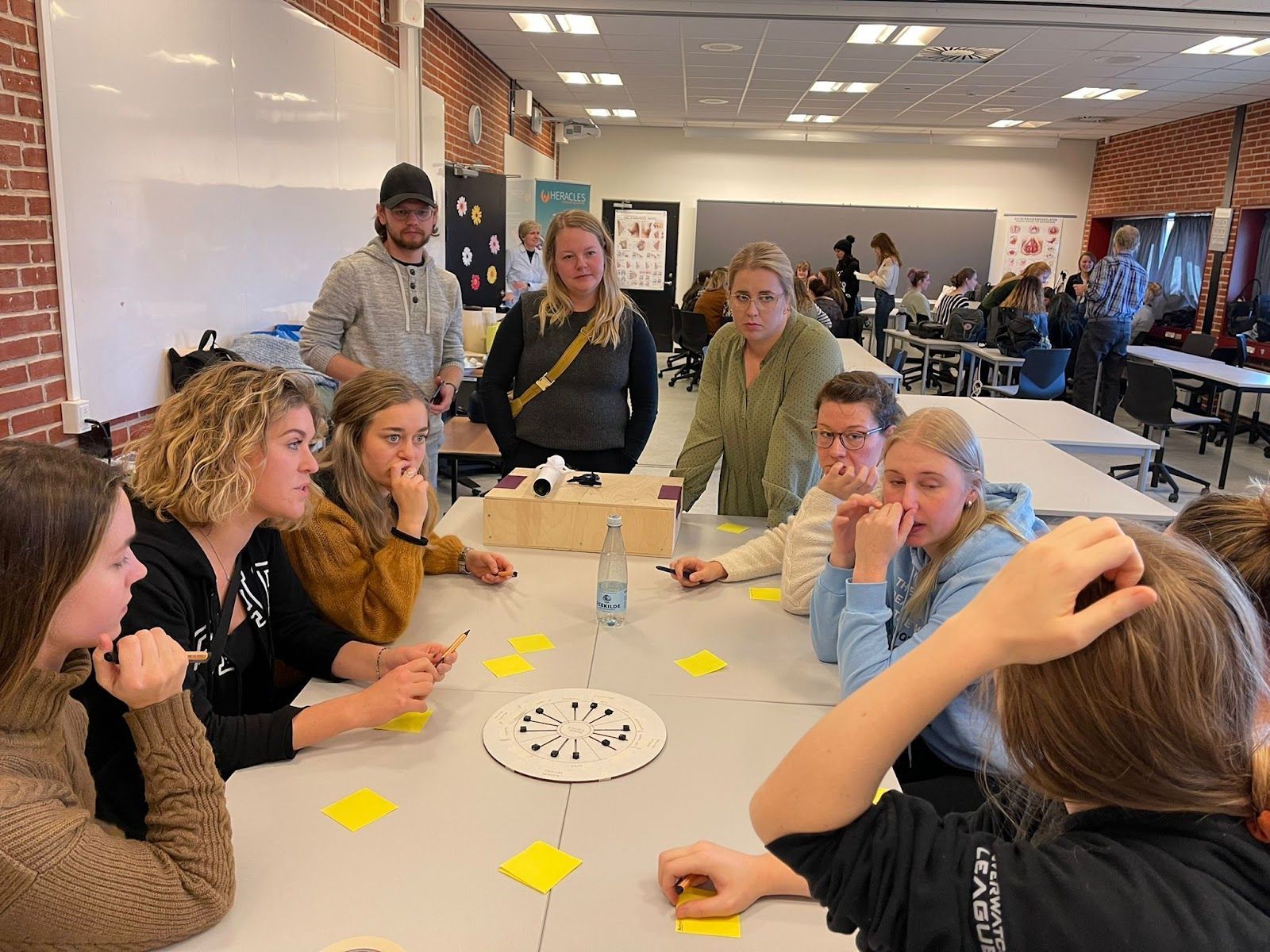
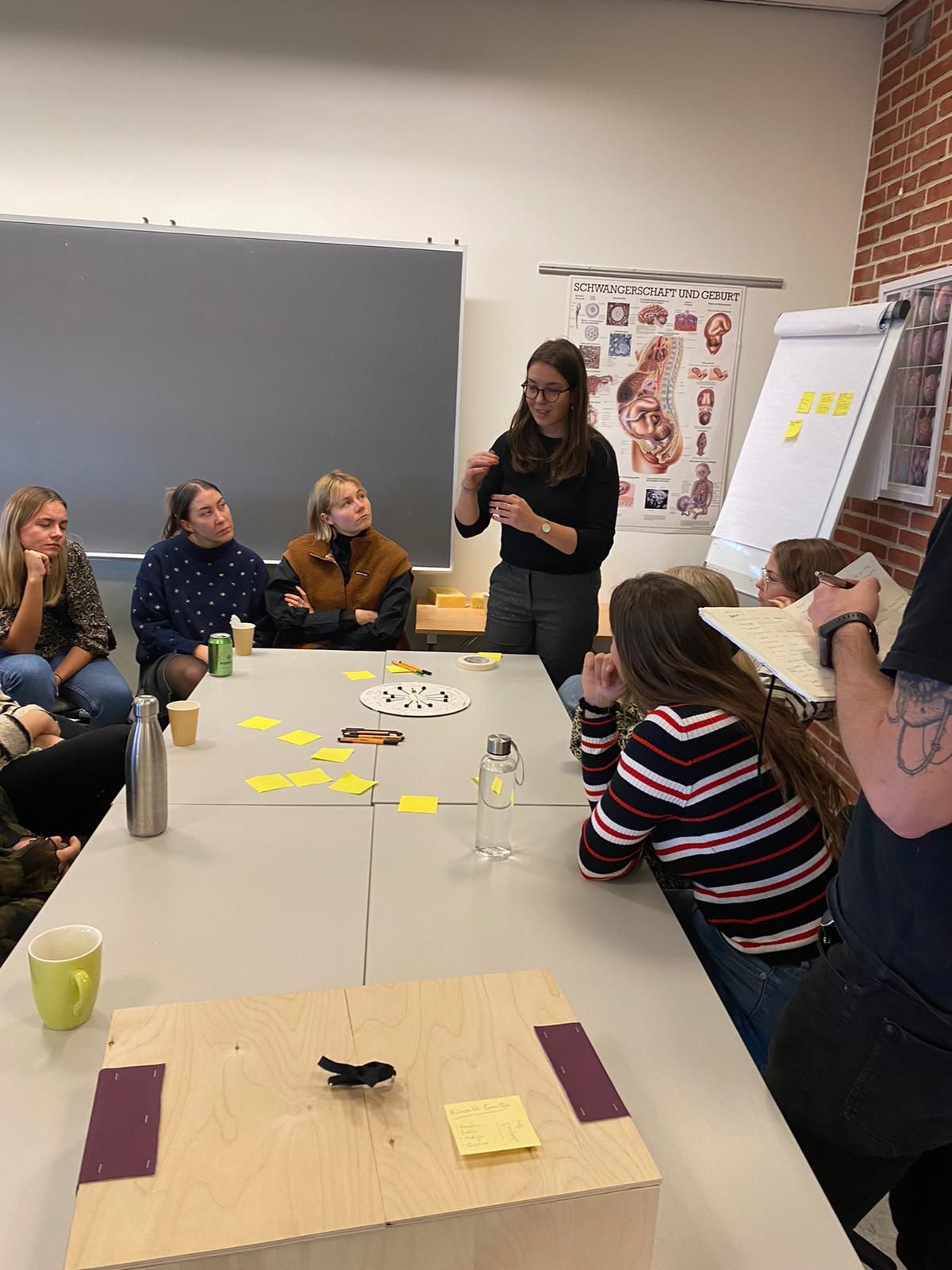
Ethnographic Research: Classroom testing with midwife and nursing students.
Persona Development: Insights derived from interviews with new mothers and patients.
Journey Mapping: Mapped pain points in patient-healthcare interactions.
2. Define (Problem Definition & Design Goals)
Problem: Patients struggle to voice critical concerns, leading to missed opportunities for care improvement.
Goals:
Build a tool that facilitates clear and prioritized communication.
Ensure ease of use, portability, and hygiene for clinical environments.
3. Develop (Design Iteration & Prototyping)
Iterations:
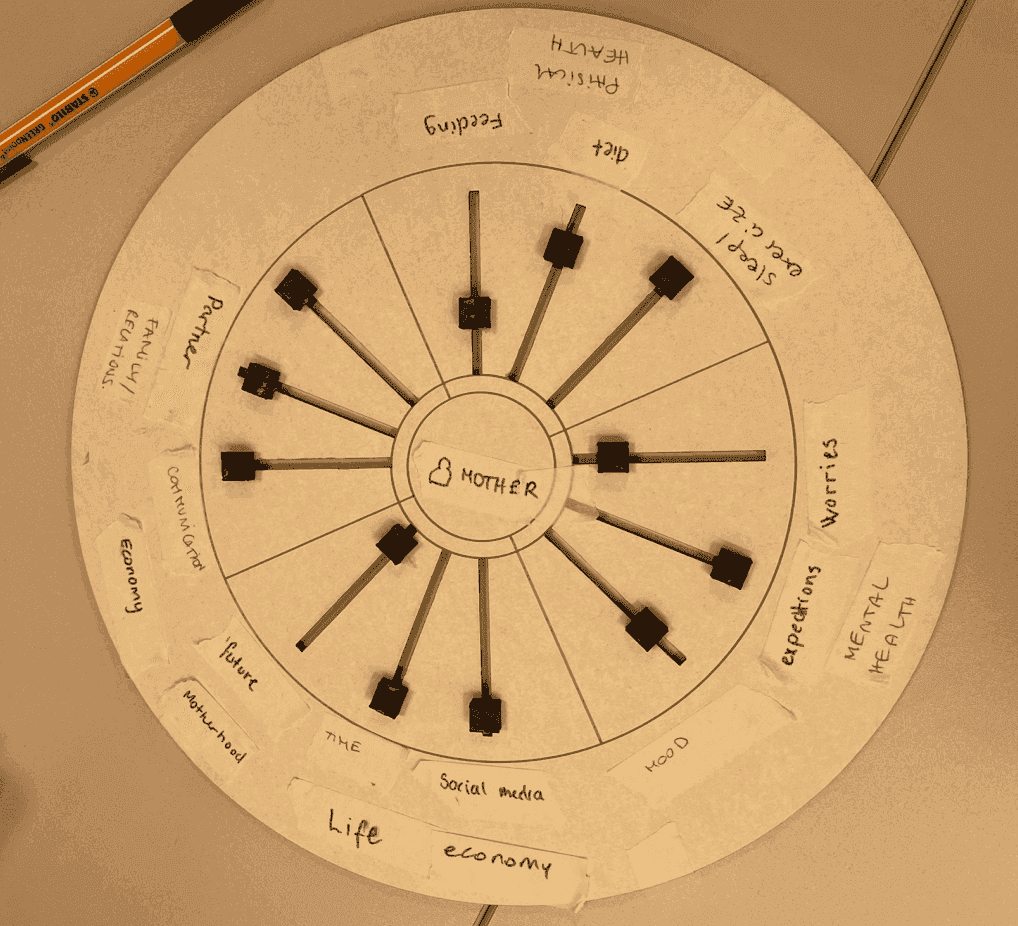
Prototype 1: Sound equalizer board concept.
Prototype 2: Compact pie-chart system with color-coded categories.
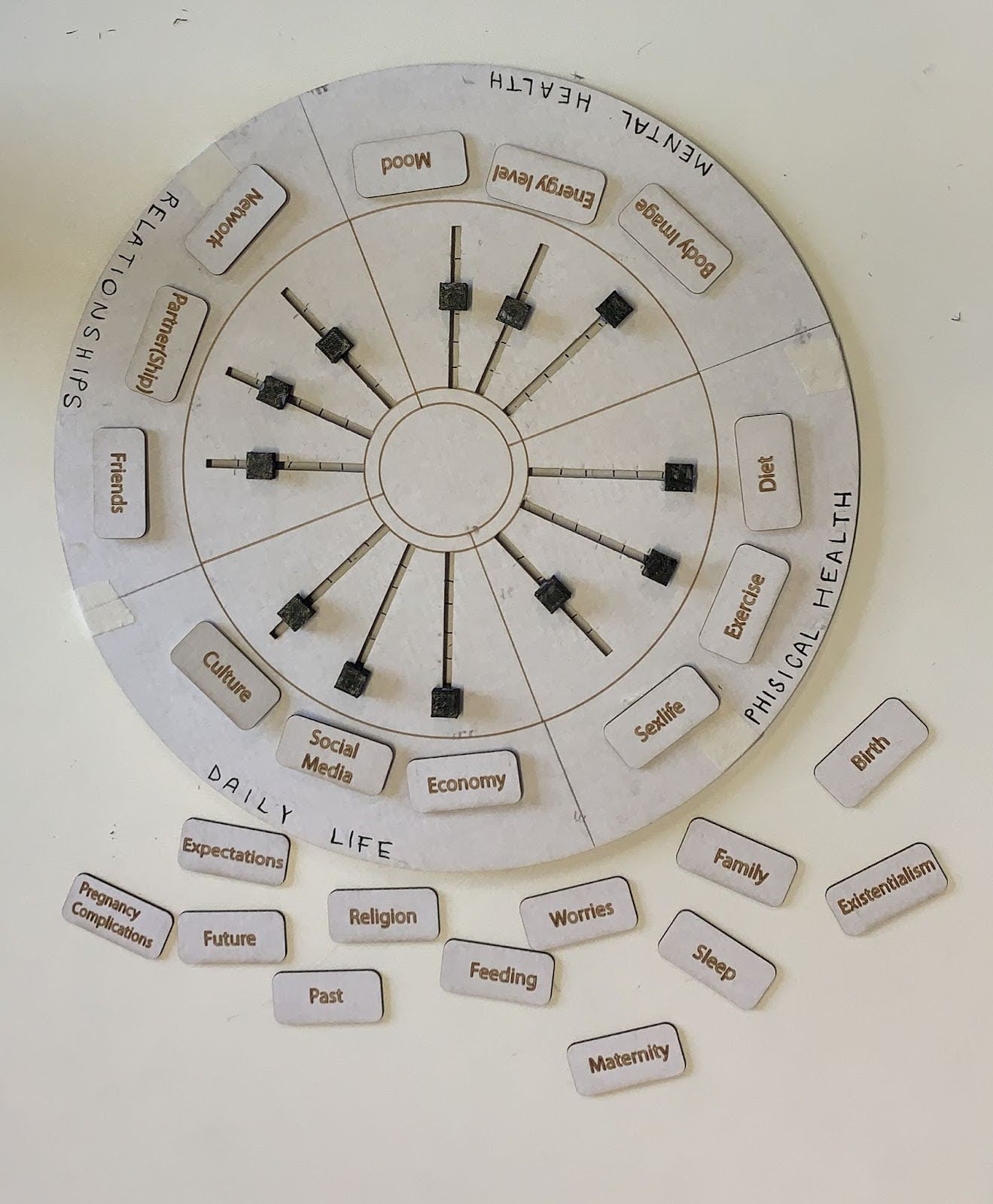
Final Design: Labeled knobs, color-coded scales, and improved material for sanitation.
Key Changes:
Simplified navigation and word selection process.
Integrated feedback from healthcare professionals to refine usability.
Considered hygienic materials for real-world usage.
4. Deliver (Testing & Refinement)
Conducted multiple rounds of usability testing with nursing and midwife students.
Testing Feedback:
Positive: Tool clarity, ease of use, and potential impact on patient communication.
Improvement Areas: Hygiene solutions, better knob labeling, and avoiding "game-like" perceptions.
DESIGN SOLUTION
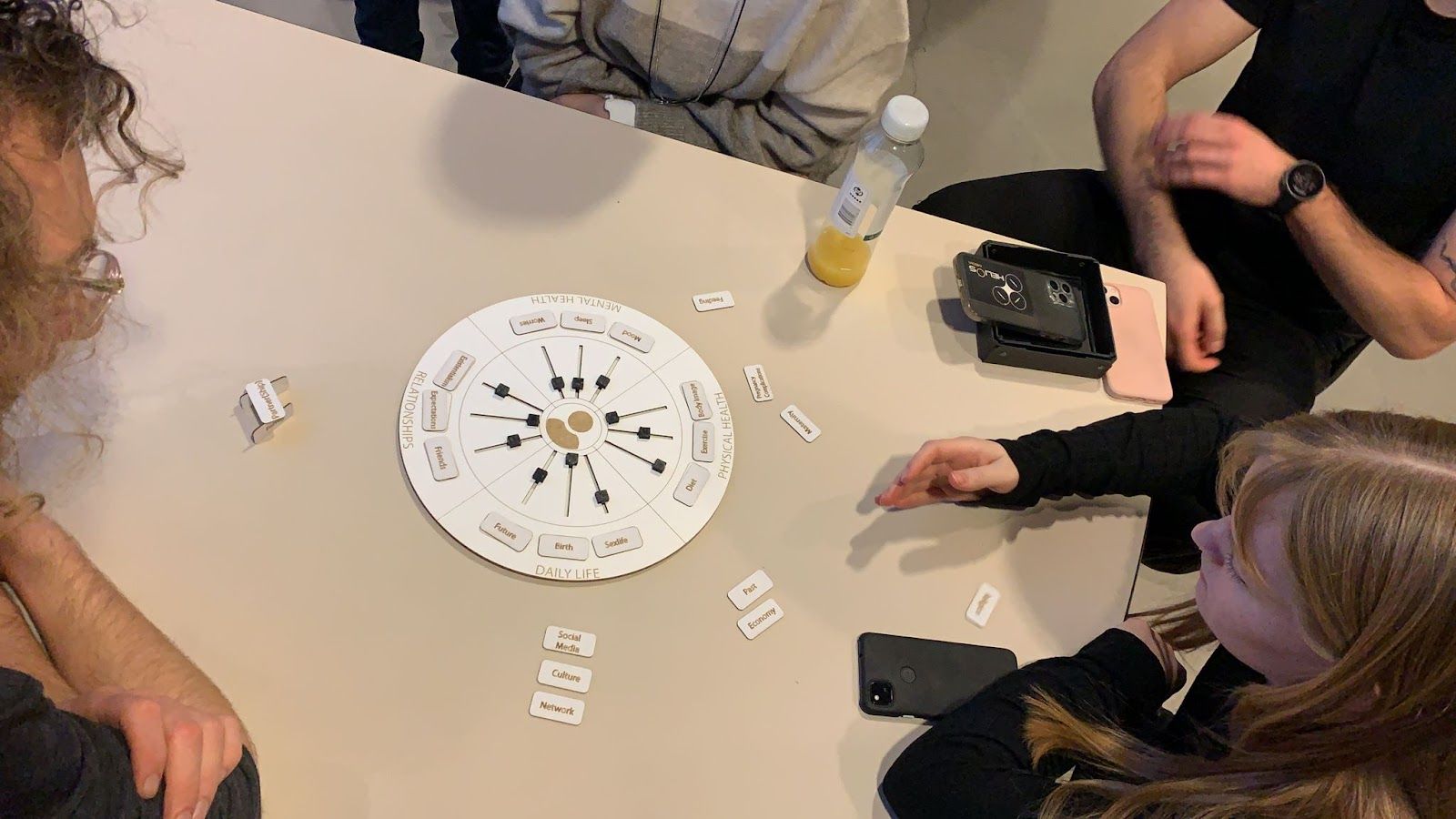
The final prototype features:
Color-coded Pie Chart: Allows patients to prioritize concerns (e.g., mental health, relationships).
Adjustable Scales: Clear visual representation of concern levels.
Modular Card System: Patients select categories with customizable subtopics.
RESULT & IMPACT
Efficiency Improvement: Simplified patient-healthcare communication during consultations.
User Satisfaction: Positive responses from nursing and midwife students.
Future Potential: Prototype adaptability for digital platforms or enhanced physical materials.
Business Impact: Positioned as a valuable tool for healthcare institutions to improve patient satisfaction and care quality.
CONCLUSION AND REFLECTIONS
Key Learnings:
Iterative prototyping and user feedback are essential for complex, empathy-driven design challenges.
Collaboration with end-users (healthcare workers) ensures relevance and feasibility.
Next Steps:
Explore digital adaptations for broader usability.
Address material sanitation challenges for long-term physical use.





About Me